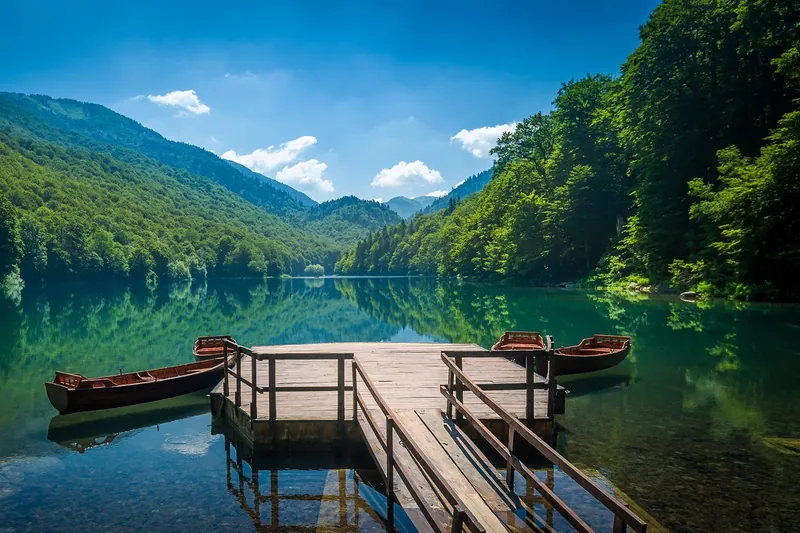


Biogradska Gora National Park protects one of the last areas of virgin forest in Europe, in the Bjelasica mountains of northern Montenegro. Beech, fir, maple and ash grow here as they have for centuries, some of them very old and very tall, around a glacial lake that mirrors the trees on still mornings.
Most visitors come for the lake. Biogradsko jezero sits at the heart of the park, just over a thousand metres above sea level, with an easy path all the way round, rowing boats for hire and a restaurant on the shore. More adventurous walkers continue up into the high pastures and peaks of Bjelasica.
The park is close to the mountain town of Kolašin, about an hour and a half from Podgorica Airport, and a long but beautiful drive from the coast.
A short history of Biogradska Gora
Biogradska Gora owes its survival to a gift. In 1878, after the region had been won from Ottoman control, local people presented part of the forest to Prince Nikola of Montenegro. He ordered that it be protected, and the forest became known as the Prince’s Branik, a guarded place where trees were not to be cut. Few forests in Europe have been formally protected for so long.
Thanks to that decision, the core of the forest was never logged. Its oldest trees are several centuries old, and fallen trunks are left to decay naturally, giving life to fungi, insects and birds. This is what makes a primeval forest different from a managed one, and why scientists and walkers value it so highly.
The area became a national park in 1952, one of the first in Yugoslavia, and today it also covers the surrounding pastures and peaks of Bjelasica, where shepherds still bring their flocks up to traditional summer huts.
What to see and do in Biogradska Gora
The walk around Biogradsko Lake
A level path of about three and a half kilometres circles the lake through the old forest, crossing streams on wooden bridges. It takes around an hour at an easy pace and suits families and walkers of all ages. Look out for the giant trees along the way.
Rowing on the lake
In summer you can hire a small rowing boat at the lake shore and drift out to see the forest from the water. It is a lovely, quiet half hour, especially in the morning.
Hiking on Bjelasica
Marked trails climb from the lake to the high meadows and peaks of the Bjelasica massif and smaller glacial lakes higher up. These are full-day walks for fit, well-equipped hikers; ask at the visitor centre about routes and conditions.
Kolašin
The nearby mountain town of Kolašin is a good base, with guesthouses, restaurants serving hearty mountain food, and a ski resort on Bjelasica in winter.
Morača Monastery on the way
If you come up from Podgorica through the Morača river canyon, stop at Morača Monastery, founded in the 13th century, with its fine frescoes and a peaceful setting above the river. Dress modestly.
Practical tips for visiting Biogradska Gora
Late spring to early autumn is the best time; autumn colours in October can be spectacular. The park sits at around a thousand metres and higher, so it is much cooler than the coast. Bring a warm layer and a rain jacket, and wear proper shoes, as forest paths can be muddy.
There is a national park entrance fee, paid at the gate, and boat hire and parking may be charged separately. Prices change by season, so check before you go.
Allow half a day for the lake and a meal, or a full day if you add Kolašin, Morača Monastery or a longer hike. From the coast, the round trip makes a long day, so consider staying a night in Kolašin.
Getting to Biogradska Gora from Podgorica and Tivat airports
| From | Distance | Driving time |
|---|---|---|
| Podgorica Airport (TGD) | about 95 km | about 1 h 30 |
| Tivat Airport (TIV) | about 175 km | about 3 h |
From Podgorica Airport, the park is about 95 km and around 1 hour 30 minutes north, via the Morača canyon or the motorway, then Kolašin. The entrance is a short drive off the main road between Kolašin and Mojkovac.
From Tivat Airport or the Budva Riviera, plan on about 175 km and roughly three hours each way.
A private driver lets you link the forest with Kolašin, Morača Monastery or the Tara canyon in one day, with stops wherever you like. Prices are fixed in advance, and child seats are available on request. See fixed prices from Podgorica Airport or book your trip.
Combine Biogradska Gora with nearby places
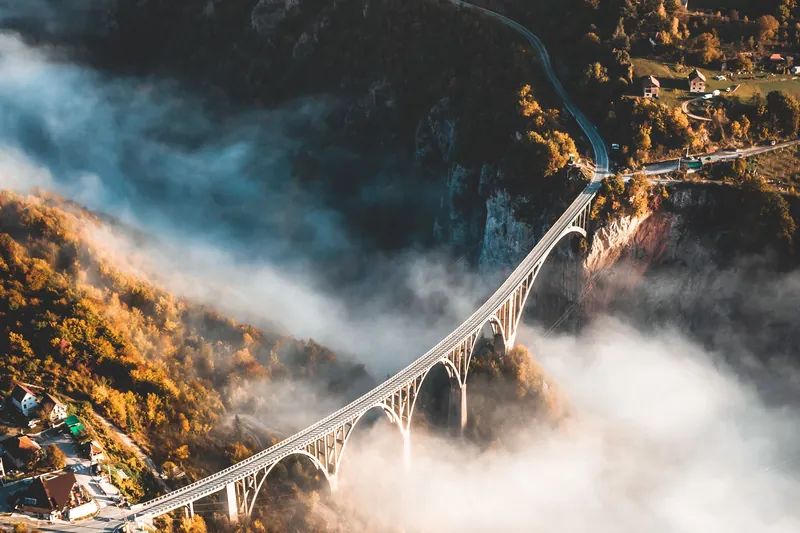
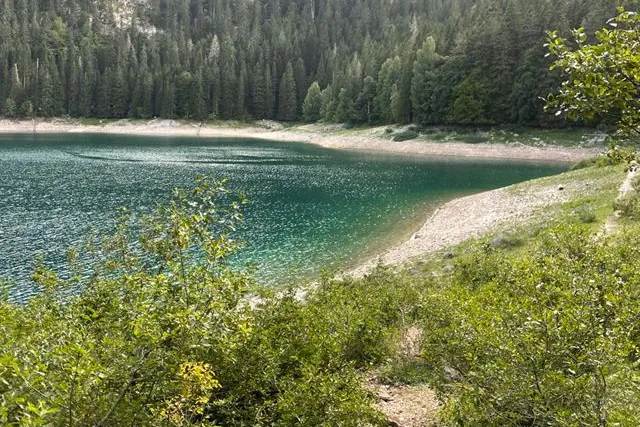
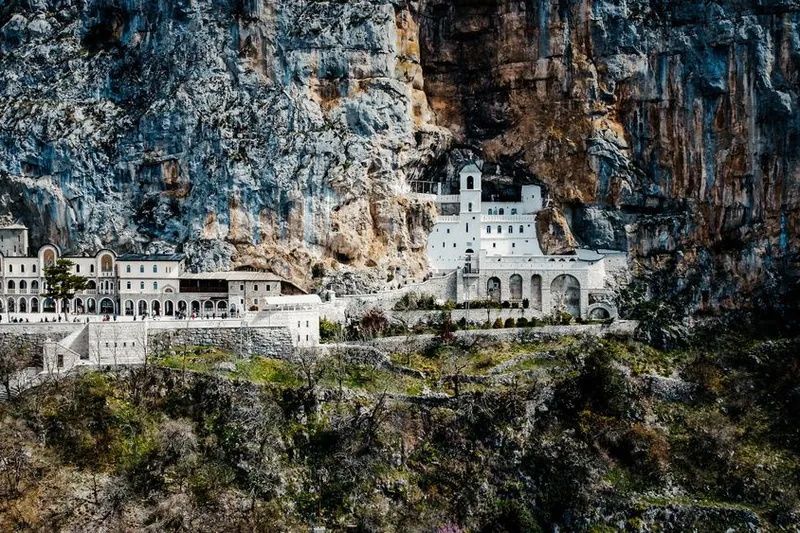
From the park it is about an hour to the Tara Canyon and the Đurđevića Tara Bridge, and you can carry on to Durmitor and the Black Lake for a night in the mountains. Coming from Podgorica, Ostrog Monastery is another possible stop on a northern road trip.
Questions people ask
Is Biogradska Gora really a virgin forest?
Yes. The core of Biogradska Gora has been protected since 1878 and has never been commercially logged, which makes it one of the few remaining primeval forests in Europe. Some of its trees are several centuries old, and dead wood is left to decay naturally, supporting a rich variety of wildlife.
How long is the walk around Biogradsko Lake?
The path around Biogradsko Lake is about three and a half kilometres long and almost level. It takes around an hour at a relaxed pace, longer if you stop for photos. It is suitable for children and older walkers, but can be muddy after rain, so wear proper shoes.
Can you visit Biogradska Gora from the coast in a day?
Yes, but it is a long day: around three hours each way from Tivat or Budva. With an early start you can walk round the lake, have lunch and stop at Morača Monastery on the way. Staying a night in Kolašin makes it more relaxed and lets you add the Tara canyon.
When is the best time to visit Biogradska Gora?
Late spring to early autumn is the most comfortable time for walking and rowing on the lake. Summer is pleasantly cool compared with the coast, and October brings beautiful autumn colours. In winter snow covers the area, and access to the lake may be limited.