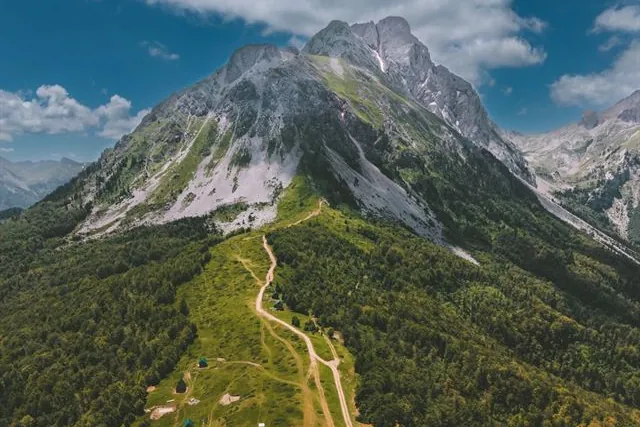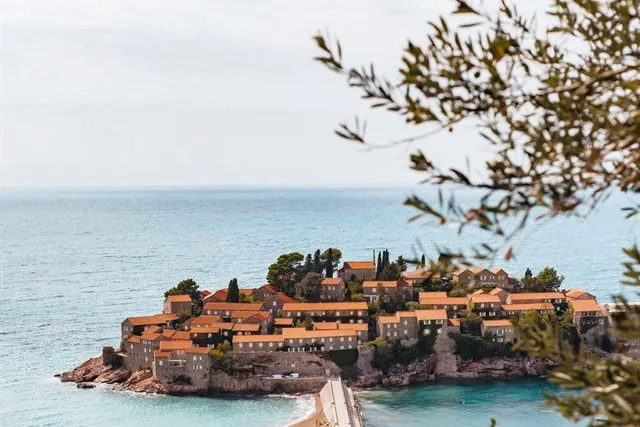


In one day you can swim in the Adriatic and walk on snow in the mountains, at least in late spring. The coast has hot, dry summers and mild, wet winters; the north has warm summer days, cool nights and proper winters with skiing.
Here is what each season is like, from the point of view of someone who drives these roads all year.
Spring (April to May)
Spring is green and quiet. The hills are covered in wildflowers, the old towns are pleasant to walk in and accommodation is cheaper than in summer. The sea is still cool for most people until late May, and the mountain peaks keep their snow well into spring, so some high roads may still be closed.
Flights to Tivat start to pick up in April and May as seasonal routes return.
Early summer (June)
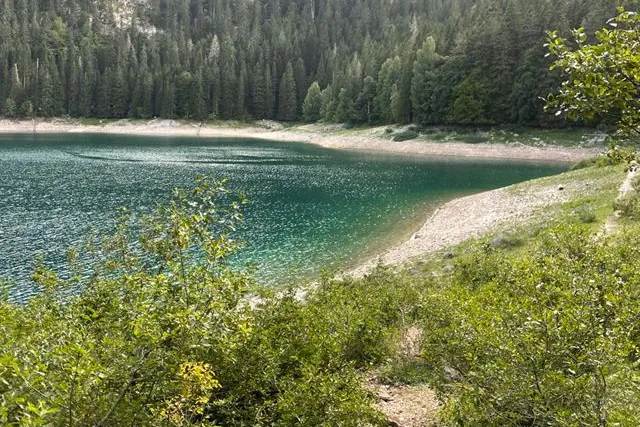
June is one of the best months. The sea is warm enough to swim, days are long, everything is open, and the crowds and prices of high summer have not yet arrived. It is a good month for both beach holidays and mountain trips to Durmitor and the Tara Canyon.
High summer (July and August)
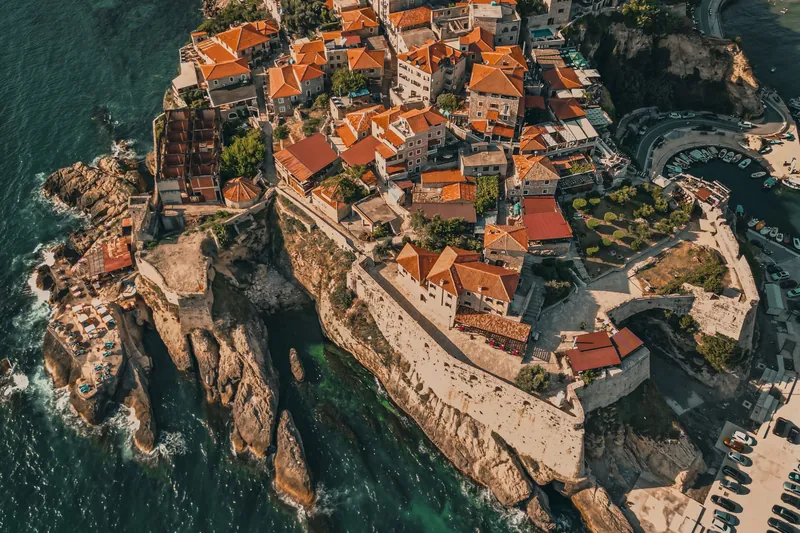
This is peak season. The coast is hot, often above 30 °C, the sea is at its warmest and the beaches, bars and festivals are at their liveliest. It is also when prices are highest, beaches are fullest and traffic around Budva, Kotor and the Dubrovnik border is slowest.
If you come in high summer, book accommodation and transfers early, explore the old towns early in the morning or in the evening, and escape to the mountains for a cooler day. Allow extra time for the drive to the airport on your way home.
September: our favourite month
Ask locals and many will say September. The sea has been warming all summer and is often at its best, the heat eases, the school holidays are over and the roads are quieter. Prices start to drop, and almost everything is still open.
Autumn (October to November)
October is mild and often sunny, good for walking, wine and day trips, with the forests in the north turning gold. Brave swimmers still swim in early October. As the month goes on, many beach bars and some seasonal hotels close, and the first autumn rains arrive. November is quiet, with fewer flights to Tivat.
Winter (December to March)
The coast is mild in winter but can be very wet, as the mountains above the Bay of Kotor catch a lot of rain. Many coastal businesses close, but the old towns stay lived in and you have them almost to yourself. In Herceg Novi, the mimosa flowers in late winter and the town celebrates with a festival.
In the north, Kolašin and Žabljak become ski resorts. Podgorica Airport has the most winter flights, and is about an hour from Kolašin.
At a glance
- Beach holiday: June to September; July and August are hottest and busiest.
- Sightseeing with fewer crowds: May, June, September and October.
- Mountains and hiking: June to September.
- Skiing: roughly December to March, in Kolašin and Žabljak.
- Lowest prices: November to March, but many coastal places are closed.
Questions people ask
What is the best month to visit Montenegro?
For most people June or September: warm sea, long days, everything open, and fewer crowds and lower prices than July and August.
When is the sea warm enough to swim in Montenegro?
Roughly from June to early October. The sea is usually warmest in August and September.
Is Montenegro worth visiting in winter?
Yes, if you want quiet old towns, mild weather on the coast or skiing in the north. Expect rain on the coast and many seasonal businesses to be closed.